
Article One
It all starts with rain
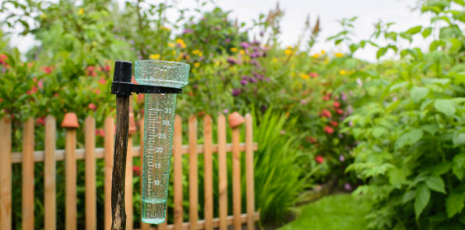
Pretend it’s snowing, an increasingly rare event on the south of Vancouver Island. Snow, however, is just another form of rainfall. It stays on the ground as a reservoir of moisture and slowly melts to recharge the watersheds and the aquifers under them. An aquifer is just Nature’s water storage system but important so more on this later. Click here for a map of aquifers as per our provincial government.
Rainfall on the south of Vancouver Island is becoming increasingly rare during our summers. Climate change is pushing our rainfall into shorter periods of time. It is becoming a season of rain or drizzle followed by a season of dry weather. This is not good for the watersheds or the aquifers. Rain, falling in short strong bursts, does not have time to sink slowly into the land. The land can become dry to the point that water does not sink into the dry surface and instead runs off rapidly. The first good rain we had last fall in 2024 was welcome after a summer of drought. But digging down three inches into the garden, the soil was still dry dust. Potatoes, and other food crops, did not grow to their full size due to lack of deep watering.
Everything we depend on has been based on the belief that we have plentiful water in our region. The Leech River watershed and the Sooke Lake watershed provide water to Sooke Lake and from there to all of the Greater Victoria Region population. From North Saanich down to Victoria, across to Colwood, Langford and Sooke this one reservoir provides all of the piped drinking water. This water is used for drinking and cooking. However, it is wasted for watering lawns, power washing driveways, and a thousand other uses that do not require potable drinking water quality. Sooke Lake is a remarkable water supply but it is still dependant on rainwater and snowfall to fill the lake. The water level in the lake is usually at its lowest point in the September to October months, falling to 30% of its total volume. Then the rains come and fill the reservoir back to full.
The average rainfall for the period of September 1 to December 18 2022 was only 49% of the average (average 1914 – 2021: 677.6mm) In the same period in 2022 we got only half that (334.1mm ) and as of mid December 2022 we got only 19% of our normal average (average 1914 – 2021 293.8mm verses 2022 actual rainfall of 55.2mm). This data comes from the weekly water watch from the CRD website. Without the slow even rainfall that we have been used to getting in the fall, the entire region from Sooke through Otter Point, Shirley, and Jordan River to Port Renfrew and the Rural Resource Lands could face lower water aquifers and drying wells.
An intense rain over a short period will not refresh the aquifers as evenly as longer rain periods have done in the past. Surface water moves too quickly down the small streams and rivers. As we’ve seen from recent Atmospheric Rivers, that volume of rain in such a short time creates destruction rather than potable water surpluses. On the way it scours the stream beds and erodes the natural terrain, destroying fish and animal habitat. Large scale forest harvesting has added to the inability of the land to slow down and save this water on the land and to allow it to sink into aquifers.
What can we do when our wells dry out? Hauling drinking water is costly and drilling a deeper well can be much more costly. The new well may or may not yield water, or it may be only a temporary solution. But at the end of the day, water is not an optional extravagance.
Chris Moss is an Otter Point resident
 OPSRRA